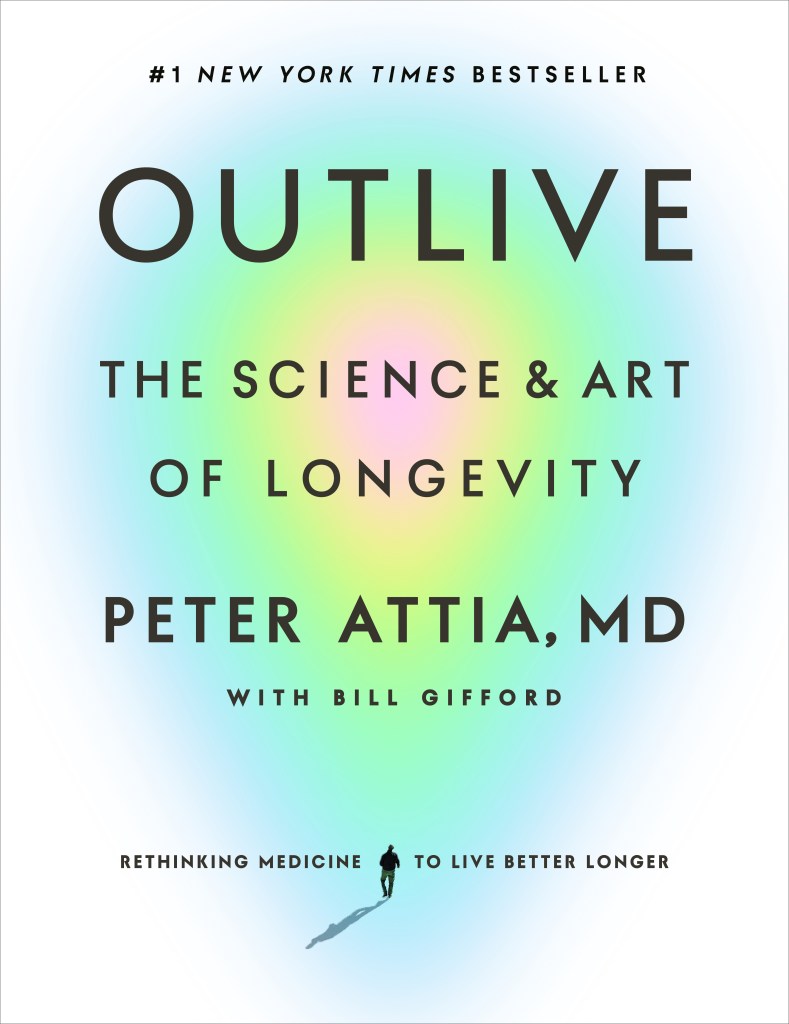
BOOK REVIEW: Outlive: The Science & Art of Longevity by Peter Attia

Audiobook Length: 17 hours and 7 minutes

Rating: 4 out of 5 stars

Genre: Nonfiction, Health, Science, Self-Help

Read Start Date: January 8, 2024

Read Finish Date: January 18, 2024

Goodreads’ SynopsisWouldn’t you like to live longer? And better? In this operating manual for longevity, Dr. Peter Attia draws on the latest science to deliver innovative nutritional interventions, techniques for optimizing exercise and sleep, and tools for addressing emotional and mental health.

For all its successes, mainstream medicine has failed to make much progress against the diseases of aging that kill most people: heart disease, cancer, Alzheimer’s disease, and type 2 diabetes. Too often, it intervenes with treatments too late to help, prolonging lifespan at the expense of healthspan, or quality of life. Dr. Attia believes we must replace this outdated framework with a personalized, proactive strategy for longevity, one where we take action now, rather than waiting.

This is not “biohacking,” it’s science: a well-founded strategic and tactical approach to extending lifespan while also improving our physical, cognitive, and emotional health. Dr. Attia’s aim is less to tell you what to do and more to help you learn how to think about long-term health, in order to create the best plan for you as an individual. In Outlive, readers will discover:

• Why the cholesterol test at your annual physical doesn’t tell you enough about your actual risk of dying from a heart attack.
• That you may already suffer from an extremely common yet underdiagnosed liver condition that could be a precursor to the chronic diseases of aging.
• Why exercise is the most potent pro-longevity “drug”—and how to begin training for the “Centenarian Decathlon.”
• Why you should forget about diets, and focus instead on nutritional biochemistry, using technology and data to personalize your eating pattern.
• Why striving for physical health and longevity, but ignoring emotional health, could be the ultimate curse of all.

Aging and longevity are far more malleable than we think; our fate is not set in stone. With the right roadmap, you can plot a different path for your life, one that lets you outlive your genes to make each decade better than the one before.

My Review: Modern medicine focuses on treating diseases after they appear, while longevity science aims to prevent them altogether. Attia argues that traditional medicine, often referred to as “Medicine 2.0,” is stuck in a reactive mode, waiting for diseases like heart disease, cancer, Alzheimer’s, and type 2 diabetes to manifest before intervening. This approach, he suggests, can prolong lifespan but often at the expense of healthspan, the quality of life during those additional years. By optimizing our lifestyle choices in four key areas – nutrition, exercise, sleep, and emotional health – we can significantly impact our health span and potentially lifespan. Attia calls this proactive approach “Medicine 3.0.”

The book delves deep into the science behind these areas, exploring cutting-edge research and presenting practical tools and techniques for optimizing each pillar. Key elements include nutrition, exercise, sleep, and emotional health. Attia advises establishing a personalized approach to longevity, encouraging readers to move beyond one-size-fits-all solutions and experiment to find what works best for their unique biology and circumstances. The book aims to empower individuals to take control of their health and chart a course toward a longer, healthier, and more fulfilling life.

What I liked about the book was that it gave me ideas on how to improve my overall health. I even bought a copy for my mom to read. What I didn’t like about the book was all the medical jargon. Especially listening to it as an audiobook, I got lost in all the acronyms and scientific parlance. As someone with a family history of heart disease, I thought that this book gave important tips as to what to look out for and what tests to ask my doctor to perform.

I would recommend this book to individuals curious about the science behind aging and the latest research in longevity and/or those seeking personalized and evidence-based approaches to improve their diet, exercise routine, sleep quality, and emotional well-being.

BOOKS ARE ENERGY: Day 12 and 13 of 28, Fueled by The Scorch Trials by James Dashner

Unfortunately, I have to report that I have been really slacking on this whole exercise thing. Last week I had so much work and some colleagues were in town on a business trip and so I had to go to dinner with them. Therefore I really did not have time to do any exercising. Therefore, I ended up picking up back where I left off, at Day 12, only a week later. I am really disappointed in myself, that I have been unable to keep up with this goal. I really need to make the time for myself.

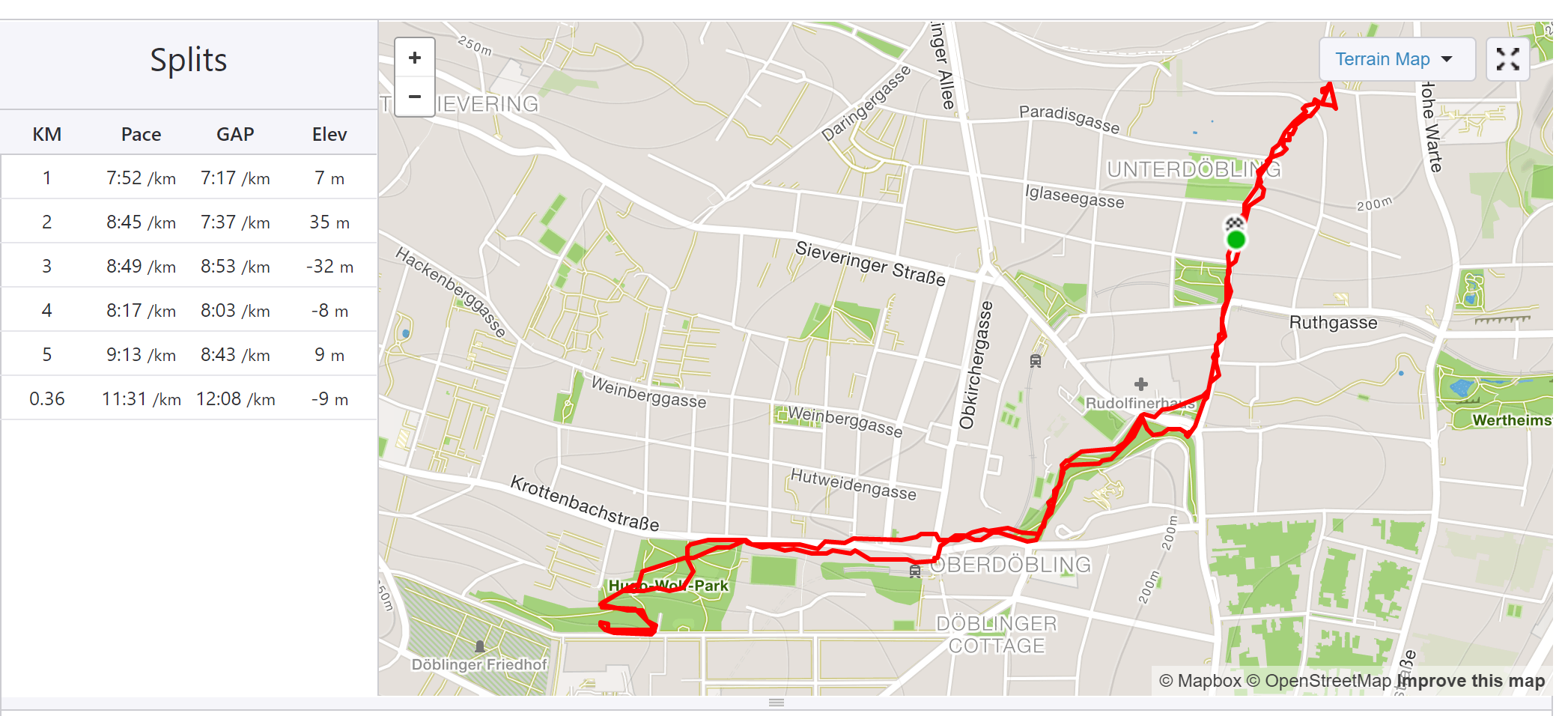
On Friday, Day 12, the goal was 30 minutes of non-impact cardio. Since I am in Vienna visiting my boyfriend, and we were going to dinner at a pizza place (they have some really bomb GF pizza!), I decided that I was going to walk there.

Annotation 2019-08-18 075109

On Saturday, Day 13, the goal was to run intervals of 20 x Walk 1 min and Run 1 min.

Annotation 2019-08-18 075654

During the Friday workout, I finished listening to All The Light We Cannot See and started listening to The Scorch Trials, which is the 2nd book in the Maze Runner series.

I read The Maze Runner a while back — you can see my review of it here. I wasn’t too thrilled with it, because the ending was rather stupid, but okay. I thought that maybe the second book would be somehow better. I am a little over 2 hours into the book, and it does have a bit more action than the first book, but I still found my thoughts drifting a bit. I had to go back a few times to listen again.

Essentially, in case you have never read the first book, a bunch of teenagers (this is a YA novel) are stuck in this maze. They use different words (like “Schuck” instead of you know what). I am not sure if this is supposed to make it more “sci-fi” or “cool” or whatever, but I just find it rather annoying, especially because the author doesn’t use it correctly. “What the schuck” — correct. “This schuck door” — not correct (assuming the grammar is the same in this other world, which it seems to be.)

Anyway, so they are stuck in this maze and they have to figure it out. After having figured out the maze by the end of the book the group are taken to some government facility and it is revealed to them that it has all be an experiment because the world has a virus (wtf?) and that the trials are somehow going to help save the world (double wtf). Not sure how that makes sense, but okay.

At the beginning of The Scorch Trials only a day or so has passed and they find out that there was another experiment going on at the same time (Group B) which mirrored the experiment going on with Group A. Now they are told that there will be a second experiment, and oh by the way, the Group also has the virus so if they don’t do what they are told, then they won’t get the cure. I still don’t really get what solving a maze has to do with an epidemic or how that will help at all — however, the book has been entertaining so far, so let’s see if this continues.


BOOKS ARE ENERGY: Day 9 to 12 of 28, Fueled by All the Light We Cannot See by Anthony Doerr

I am a date late in posting this because last night I was just too tired. Yesterday’s goal in “Couch to 5K” was 15 x Walk 1 minute and Run 1 minute. While I was running, I was listening to the book All the Light We Cannot See by Anthony Doerr. I have read this book before, but it was at a time when I was not blogging, so I decided to read it again.

I am about 4 hours into it so far (yesterday I had read up to 3 hours), and it was a really good book to exercise to. The story starts off before World War II and alternates between a young blind girl in France, and a teenage orphan boy in Germany. So far in the book, the blind girl and her father have to flee their home in Paris because the Germans start bombing them. There is a side story about a famous (possibly cursed) diamond that also really caught my attention. As can be expected, the German boy is indoctrinated into the Hitler youth.

In total I ran/walked 4.81 kilometers in about 40 minutes. I wasn’t too thrilled about the route I picked because I was essentially running along sidewalks the entire time. In addition to passing cars, I was running passed smelly garbage cans. Nothing like a whiff of garbage every now and then to really pump up your run!

Annotation 2019-08-07 202548

When I look at my times, from yesterday (above) and Saturday (below), yesterday’s are only slightly better than on Saturday, but I think that’s because I was running more and walking less each kilometer. The fact that they are really only seconds apart isn’t such good motivation, but I hope to get better with time.

Annotation 2019-08-03 112554

On Day 12 (Friday August 9, 2019), I ended up having to do two workouts (Day 11 and 12) together, since I missed Day 11. Day 11 was 15 x Walk for 1 minute and Run for 1 minute. Friday was 30 minutes of non-impact cardio. Therefore, I did the 30 minutes interval training and then walked for another 40 minutes, for a total of 1 hour and 11 minutes (7.41 kms in total)

I am still reading All the Light We Cannot See, and it is really strange reading about WWII, and walking / running along the WWII Bunker trails where the abandoned German bunkers are. On Day 12 I had read about 50% (about 8 hours). Things were starting to get serious — WWII was starting. The two main characters are getting older and their lives more complicated, and the story about the cursed diamond plays a much bigger role in the book than I had originally anticipated.

Annotation 2019-08-12 204909


BOOKS ARE ENERGY: Day 7 of 28, Fueled by Astrophysics for People in a Hurry by Neil deGrasse Tyson

annotation-2019-08-04-194555.png

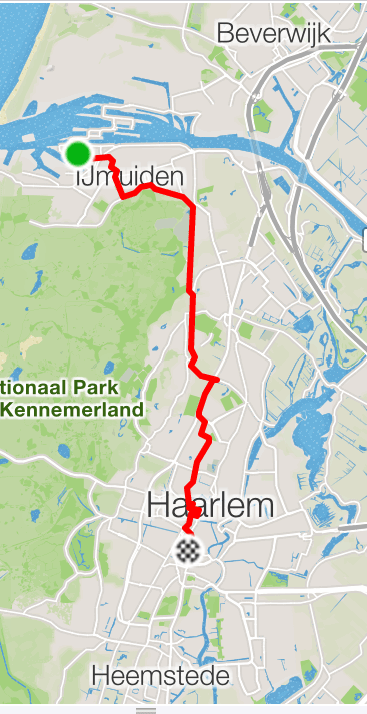
Today’s goal in “Couch to 5K” was to have 30 minutes of non-impact cardio. As you can see from the screenshots from Strava, I went a little overboard.

For the first segment (to the left), I was riding my bike to Haarlem in the Netherlands because I wanted to go to Native Coffee. I am currently attempting to write a novel, and I thought a change of atmosphere might get the creativity flowing.

On the ride there, I finished listening to Girl, Stop Apologizing by Rachel Hollis. I was sad to see the end of this book, because this was a great book to work out to! You can see my review of the book by clicking on this link.

I then started to read Astrophysics for People in a Hurry by Neil deGrasse Tyson. This was probably not a really good choice (especially not following Hollis’ book) because the subject matter was rather complicated, and I found my mind drifting a bit to other topics during the ride. The only thing I really remember, is that he was trying to explain something about antimatter.

In total on this first ride, I did 13.64 kilometers in about 45 minutes. I arrived at Native Coffee in a good mood, ready to tackle my 1,000 word goal, but was told by the barista that I could only use my computer on one table in the back, where there was already 5 places occupied out of 6.

Annotation 2019-08-04 194905

It did not look very inviting. Of course, I had already ordered a dirty Chai latte and a really good slice of gluten free chocolate cake, so I read The Cobra Event by Richard Preston instead, and then made my way to a different Cafe that didn’t have such ridiculous rules.

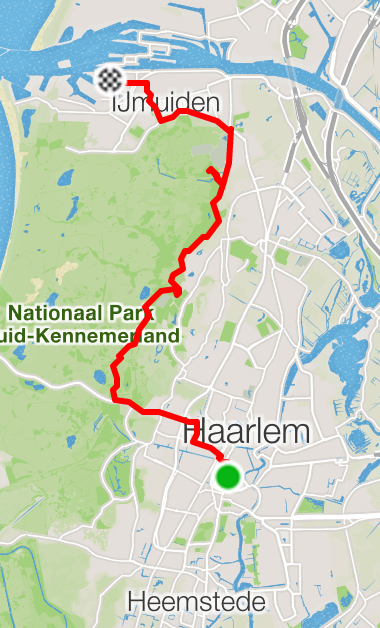
Two hours, another latte and 1,000 words later,  I was ready to head back to Ijmuiden. After getting a little lost on the way back from Haarlem, I finally made it home. As you can see, for some reason I ended up going through the National Park instead of going around it.

I’m not going to lie, it was rather beautiful, but it added around 4 kilometers to my ride, for a total of 17.36 kilometers on the way back (a total time of about 1 hour and 12 minutes).

On this trip, I ended up listening to about 2 hours of Astrophysics for People in a Hurry, but again I found it very complicated and kept getting side tracked. This is not the first time I am reading it, and honestly I thought that it would be easier to understand the second time around. It’s not. I don’t know, I could just be super dumb, but I think that I just feel overwhelmed by deGrasse Tyson’s use of a lot of big and complicated words / concepts. Sigh.

Good thing tomorrow is a “rest” day, because I am beat!


BOOKS ARE ENERGY: Day 6 of 28, Fueled by Girl, Stop Apologizing by Rachel Hollis

I have never run a 5k before in my life. This week I decided to train for one. Today is Day 6, and the exercise is 13x Walk 2 minutes / Run 1 minutes. I am really proud of myself that I was able to run through all the intervals.

While running, I had encouragement from Rachel Hollis’ book Girl, Stop Apologizing. Get healthy! Hollis basically shouts from the roof top — so here goes my experiment in getting healthy. I am currently about 5 hours into listening to the audiobook, and I really like this book. It was a great book to read while running, as it really made the time fly by. 45 minutes flew by so fast!

I have decided to post each of the runs, so that I can give myself the necessary motivation to complete them each day.


Annotation 2019-08-03 112554


BOOK REVIEW: The Demon in the Freezer by Richard Preston

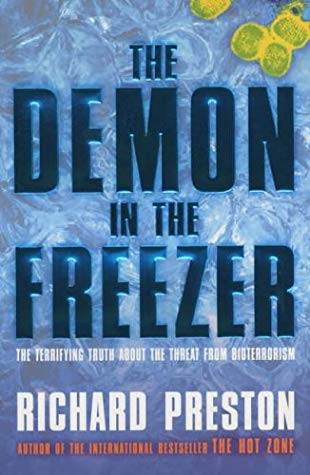
198505._SY475_Title: The Demon in the Freezer

Author: Richard Preston

Book Length: 283 pages

Rating: 5 out of 5 stars

Genre: Nonfiction, Science, History, Medical, Health

Read Start Date: September 2, 2018

Read Finish Date: August 2, 2019

Brief Summary of the Plot from Goodreads: The first major bioterror event in the United States-the anthrax attacks in October 2001-was a clarion call for scientists who work with “hot” agents to find ways of protecting civilian populations against biological weapons. In The Demon in the Freezer, his first nonfiction book since The Hot Zone, a #1 New York Times bestseller, Richard Preston takes us into the heart of Usamriid, the United States Army Medical Research Institute of Infectious Diseases at Fort Detrick, Maryland, once the headquarters of the U.S. biological weapons program and now the epicenter of national biodefense.
Peter Jahrling, the top scientist at Usamriid, a wry virologist who cut his teeth on Ebola, one of the world’s most lethal emerging viruses, has ORCON security clearance that gives him access to top secret information on bioweapons. His most urgent priority is to develop a drug that will take on smallpox-and win. Eradicated from the planet in 1979 in one of the great triumphs of modern science, the smallpox virus now resides, officially, in only two high-security freezers-at the Centers for Disease Control in Atlanta and in Siberia, at a Russian virology institute called Vector. But the demon in the freezer has been set loose. It is almost certain that illegal stocks are in the possession of hostile states, including Iraq and North Korea. Jahrling is haunted by the thought that biologists in secret labs are using genetic engineering to create a new superpox virus, a smallpox resistant to all vaccines.
Usamriid went into a state of Delta Alert on September 11 and activated its emergency response teams when the first anthrax letters were opened in New York and Washington, D.C. Preston reports, in unprecedented detail, on the government’s response to the attacks and takes us into the ongoing FBI investigation. His story is based on interviews with top-level FBI agents and with Dr. Steven Hatfill.
Jahrling is leading a team of scientists doing controversial experiments with live smallpox virus at CDC. Preston takes us into the lab where Jahrling is reawakening smallpox and explains, with cool and devastating precision, what may be at stake if his last bold experiment fails.

My Review: This book is scarier than any horror book, because you guys, this book is NONFICTION! Imagining that a terrorist group may be able to weaponize a virus like smallpox to decimate the population of a major US city in the blink of an eye is terrifying. This book opened my eyes to an array of grim possibilities that I had never before even though about. Viruses, epidemics, etc. have always fascinated me for some reason — and movies about such subjects are my favorite kind of film in the horror genre (closely followed by zombies).

The descriptive way that Preston writes about viruses, really gave me a clear picture in my mind of what he was talking about. Sometimes, this was not such a good thing — and unless you grew up listening to your mother’s ER stories at the dinner table like me, this book might not be a good thing to read while eating.

“The inflamed area in his throat was no bigger than a postage stamp, but in a biological sense it was hotter than the surface of the sun. Particles of smallpox virus were streaming out of oozy spots in the back of his mouth and were mixing with his saliva. When he spoke or coughed, microscopic infective droplets were being released, forming an invisible cloud in the the air around him.”

Seriously, you guys, I will never look at people coughing again without imagining all the tiny virus particles spewing into the air from their mouths.


BOOK REVIEW: How to Change Your Mind: What the New Science of Psychedelics Teaches Us About Consciousness, Dying, Addiction, Depression, and Transcendence by Michael Pollan

39203791Title: How to Change Your Mind: What the New Science of Psychedelics Teaches Us About Consciousness, Dying, Addiction, Depression, and Transcendence by 

Author: Michael Pollan

Book Length (Audiobook): 13 hours 42 mins

Rating: 3 out of 5 stars

Genre: Nonfiction, Science, Psychology, Health, Philosophy

Read Start Date: March 27, 2019

Read Finish Date: April 6, 2019

Brief Summary of the Plot from Goodreads: “A brilliant and brave investigation by Michael Pollan, author of five New York Times best sellers, into the medical and scientific revolution taking place around psychedelic drugs–and the spellbinding story of his own life-changing psychedelic experiences. When Michael Pollan set out to research how LSD and psilocybin (the active ingredient in magic mushrooms) are being used to provide relief to people suffering from difficult-to-treat conditions such as depression, addiction and anxiety, he did not intend to write what is undoubtedly his most personal book. But upon discovering how these remarkable substances are improving the lives not only of the mentally ill but also of healthy people coming to grips with the challenges of everyday life, he decided to explore the landscape of the mind in the first person as well as the third. Thus began a singular adventure into the experience of various altered states of consciousness, along with a dive deep into both the latest brain science and the thriving underground community of psychedelic therapists. Pollan sifts the historical record to separate the truth about these mysterious drugs from the myths that have surrounded them since the 1960s, when a handful of psychedelic evangelists catalyzed a powerful backlash against what was then a promising field of research. A unique and elegant blend of science, memoir, travel writing, history, and medicine, How to Change Your Mind is a triumph of participatory journalism. By turns dazzling and edifying, it is the gripping account of a journey to an exciting and unexpected new frontier in our understanding of the mind, the self, and our place in the world. The true subject of Pollan’s “mental travelogue” is not just psychedelic drugs but also the eternal puzzle of human consciousness and how, in a world that offers us both struggle and beauty, we can do our best to be fully present and find meaning in our lives”

My Review: This book was interesting, but not one of my favorites. Although I liked some of the anecdotal stories that Pollan tells about his own personal experiences with psychedelic drugs (from magic mushrooms to frog venom), I found the science aspects of the book to be rather dry — but I guess that is just the nature of very scientific subjects.

I had such high expectations of this book, based upon the raving review of my boyfriend, that I felt a bit disappointed by my lack of enthusiasm in reading it. I thought it was going to be some enlightening story, that drugs like LSD, etc., would suddenly make sense to me. That I would “see the light” so to speak. Maybe I am just skeptical that a drug which admittedly alters ones perception artificially can somehow treat mental illnesses. That could just be “the establishment” brainwashing me to be against drugs, but who knows.

But the book had its redeeming qualities as well. I found several stories very intriguing, especially those about Paul Stamets, a mycologist (a scientist specializing in mushrooms). Pollan described several interesting patents that Stamets held, including one for a mushroom which was used as a natural ant killer. How do you ask? You should read the book to find out.

Being somewhat of a Startrek fan, I also found it very interesting that the creators of Startrek Discovery decided to name a character Lt. Commander Paul Stamets, and that such character knows more than anyone in the world about space mushrooms. Coincidence? I think not.

Despite my failure to be blown away by the subject matter, I did find it interesting overall. If you are looking for a scientific read that pushes the boundaries of societal norms, then I would recommend to read this book.


Living the “Less Experiment”: Week 1

As I mentioned in my previous post on this subject, In December/January, I read the book The Year of Less by Cait Flanders. It has inspired me to try my own “less” experiment. Since I know that it will be difficult, I want to try it 1 week at a time.

mug photoThe “Less Experiment” started out as a spectacular failure. On Monday, I had two cups of coffee, a piece of chocolate for someone’s birthday, and because I had already failed by eating junk food, I stressed ate a handfull of chips before stopping myself. I worked until 7pm, and wasn’t able to muster the motivation to arrive late to my German lesson. My boyfriend insisted that we watch Bandersnatch (the interactive Black Mirror movie on Netflix). The movie was good, but I probably could have spent the 1.5 hours doing something more productive. Lastly, even though I didn’t go shopping myself, my boyfriend bought a package of apples wrapped in plastic.

Tuesday and Wednesday were no better than Monday. I worked again until 7pm both days, which meant that I missed my German lessons. Since I was so stressed at work, I ate some chocolate to keep me sitting at my desk. By the time I got home, made and ate dinner, there was no time left to do any exercise. In the last three days I have only walked about 10,821 steps (only about 30% of my goal).

By Thursday, I decided that I had to give up. When I analyze why last week went so wrong, I came to the conclusion that it was because I was working until 7pm every night. When this happens, I don’t have time to do anything when I get home. Therefore, I am renewing my goals for this upcoming week. Wish me luck!

photo-1489533119213-66a5cd877091

  1. Leave work by 6pm;
  2. Excercise for at least 30 minutes per day, with 10k excursions on Saturday and Sunday;
  3. No alcohol (for losing weight reasons);
  4. Write my book for at least 30 minutes per day, but in a week write no less than an additional 1,000 words;
  5. Declutter the living room area;
  6. No Netflix;
  7. Study German for at least 30 minutes per day
  8. Don’t buy anything containing plastic
  9. Only buy things based upon need and not want


My Own “Less” Experiment

In December/January, I read the book The Year of Less by Cait Flanders. It has inspired me to try my own “less” experiment. Since I know that it will be difficult, I want to try it 1 week at a time.

My rules for the first week of less, starting on January 21, 2019 and ending on January 27, 2019 will be a little different from the rules set out in the book. I am not so worried about shopping, as I do not have a shopping addiction, except for maybe books. Therefore, I will not be allowed to buy any books. I will be allowed to check out books from the library and to get them free from Netgalley.

less photo

The 2nd rule, is that I am not allowed to watch any television (which means Netflix since I don’t have a T.V. or cable). This will be rather challenging, since I usually watch television at night while I am preparing and eating dinner. I also tend to watch movies on the weekends.

I am hoping that by banning television, I will use the time to listen to books on tape, or other things such as learn German, clean up my apartment, and write more blog entries.

The third rule is that I am not allowed to buy anything containing plastic. This will be rather difficult, because mostly everything at the supermarket comes in plastic packaging.

My goals for the first week also include, 1) walking / running 70,000 steps, 2) writing 3,500 words of the fiction book I am writing, 3) only drinking water — the only exception allowed is 1 cup of coffee per day and kombucha (but without syrup), 4) no junk food including but not limited to chocolate and chips, and 5) attend German class.

I hope that I will succeed!

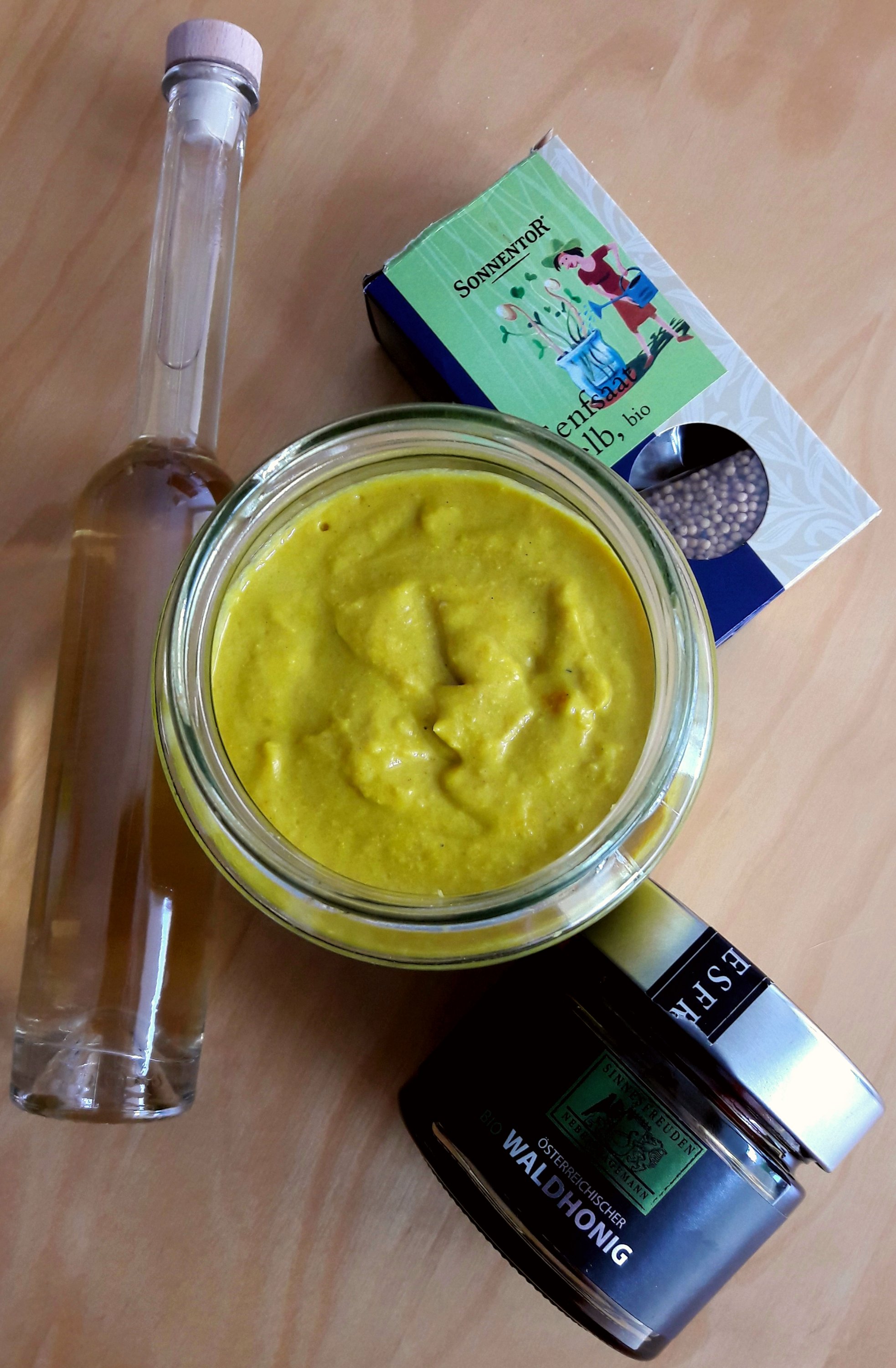
Kombucha Honey Mustard: Part 2

How to make delicious kombucha honey mustard:

  1. Brew kombucha like normal, and wait until it becomes vinegar.
  2. Place 1/2 cup of yellow mustard seeds in a jar, and cover them with the kombucha vinegar.  It is possible that the seeds will plump up slightly as they soak.  If the mustard seeds start popping over the top of the kombucha vinegar, cover them with more kombucha vinegar.
  3. Let the seeds soak for at least 3 days (I waited 6 days).
  4. After waiting the sufficient amount of time, pour the whole jar into the blender
  5. Add 1 1/4 teaspoons tumeric and 1/4 teaspoon salt.  I added 1/2 a clove of garlic, but at the end of the day I didn’t like the taste of it in the mustard, so I would say to not use it.
  6. Add 5 teaspoons of honey
  7. Blend.  If the consistency is too grainy, keep adding more kombucha vinegar until smooth.

20181026_1240381211778419.jpg